How judgement and safety are approached
Guidance on Ciss Outdoors is shaped by experience and situational awareness rather than fixed rules or one-size-fits-all advice. Articles are written to inform decision-making, allowing readers to weigh options and choose approaches that fit their own circumstances.
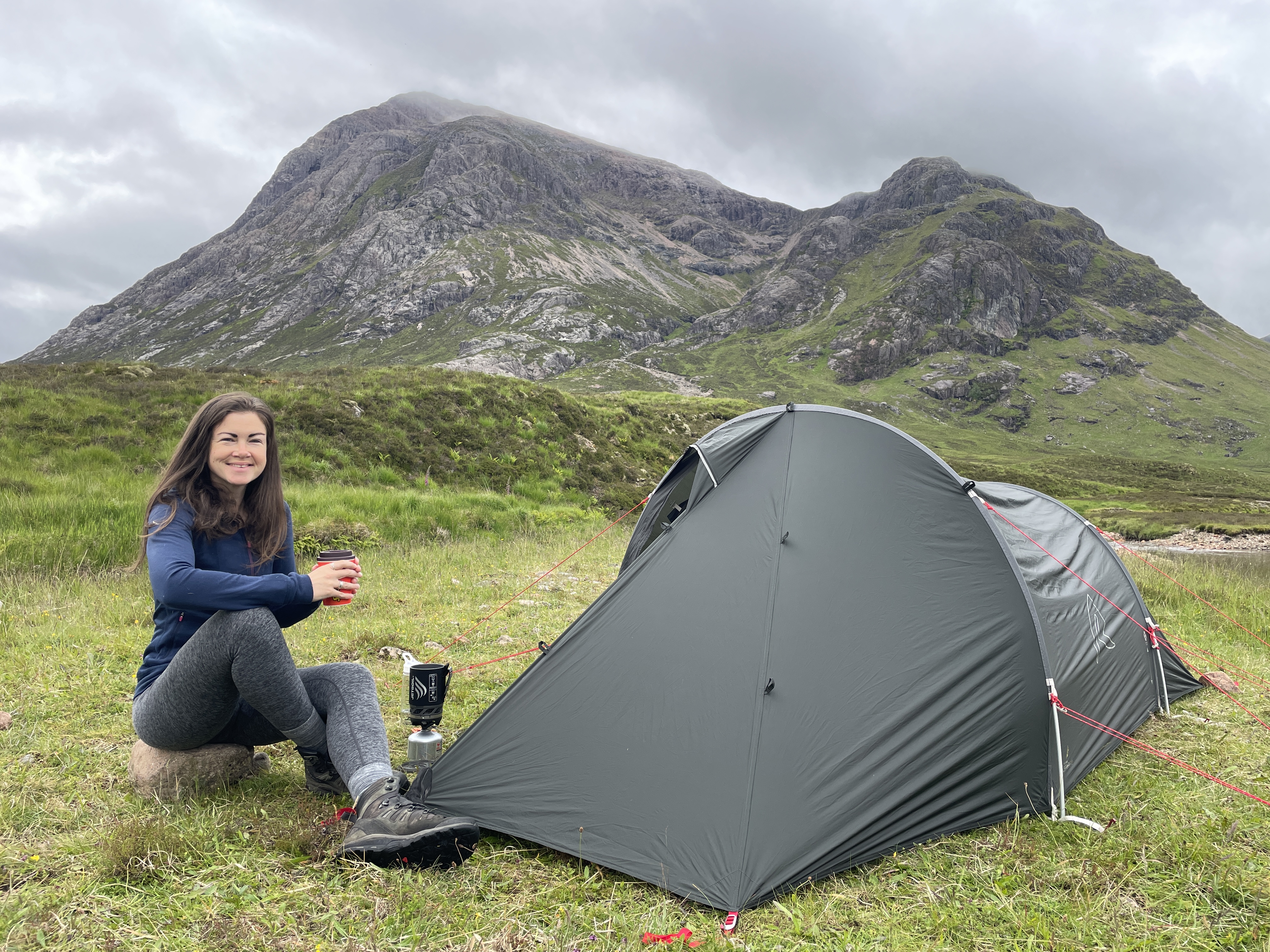
Solo wild camping isn’t something most people jump into overnight. For many, it begins slowly: shared camps with friends, learning from more experienced hillwalkers, and paying attention to what helps you feel safe, comfortable, and confident. Over time, those small moments build into a quiet belief that you can head out on your own when you choose to. Solo doesn’t mean lonely; it simply means you can enjoy your own company as much as time with others. If you want a little more support as you build confidence outdoors, this guide may help you find your own pace.
Some of the most restorative nights outdoors can happen in these moments of calm. Staying beside a river, tucked into a quiet glen, or waking to a sunrise with no one else around. It’s not about escaping people. It’s about having the freedom to take up space outdoors in your own way, at your own pace.


The Path to Going Solo
Most people start with group camps. They’re a great way to learn the basics: where to pitch, how to manage your kit, what snacks survive the bottom of a rucksack, and how others make decisions about moving on or staying put.
As confidence grows, many campers begin adding a solo night onto the end of a trip, or returning to familiar places alone. Each experience builds trust in your own judgement, until eventually, heading out solo feels completely natural. Still exciting, always something to respect, but not something to fear. If you’re curious about the kit I rely on for my own solo camps, I’ve put together a breakdown of the full setup.

Staying Safe as a Solo Camper
Safety is a huge part of solo camping, especially for women and for anyone who simply feels more vulnerable alone. But good habits make an enormous difference. Here are practical, confidence-building approaches that work for most people:
- Avoid posting on social media in real time. Share online only after you’ve left a location. It protects your privacy and gives you more control over your safety.
- Tell someone your plans. A simple message with your route, approximate location, and expected return time helps others look out for you. Carrying a GPS device adds another layer of reassurance, but if you don’t have one, clear communication becomes even more important.
- Listen to your gut. If something feels off (the weather, the atmosphere, another person, or just an instinct) move on. You never owe an explanation for prioritising safety.
- Choose pitches mindfully. Opt for places that feel sheltered but not completely hidden, and if you camp near water, stay well back from the waterline and avoid any risk of flooding. Always follow good hygiene practice (i.e., toilet at least 30 metres away from lochs, rivers, and burns). Stick to familiar areas when you’re building solo confidence.
None of this is about fear. It’s about respect: for the hills, for your safety, and for the kind of experience you want your night outdoors to be. These habits aren’t exclusive to women; they’re valuable for anyone heading out alone.

Space to Breathe
One of the biggest joys of solo wild camping is the space it gives you, mentally and physically. Slow mornings, quiet evenings, and the satisfaction of reaching a place entirely under your own steam. It’s grounding in a way few other outdoor experiences are.
If you’re thinking about trying it, ease yourself in gently. Start somewhere familiar. Add one solo night to the end of a trip with friends. Experiment. Notice what helps you feel relaxed and what doesn’t. Confidence isn’t something you either have or don’t have, it grows with experience.
Solo wild camping isn’t about being bold or proving anything. It’s about carving out your own version of freedom, on your own terms.
Ciss Outdoors sends out an email once a week with links to all new articles.
If you’d like to receive the Weekly Dispatch, enter your email address below.
Related reading:
How to Make Outdoor Friends: Practical Ways to Build Confidence and Connection
My Wild Camping Gear: The Equipment I Trust for Solo Trips

Leave a Reply