How judgement and safety are approached
Guidance on Ciss Outdoors is shaped by experience and situational awareness rather than fixed rules or one-size-fits-all advice. Articles are written to inform decision-making, allowing readers to weigh options and choose approaches that fit their own circumstances.
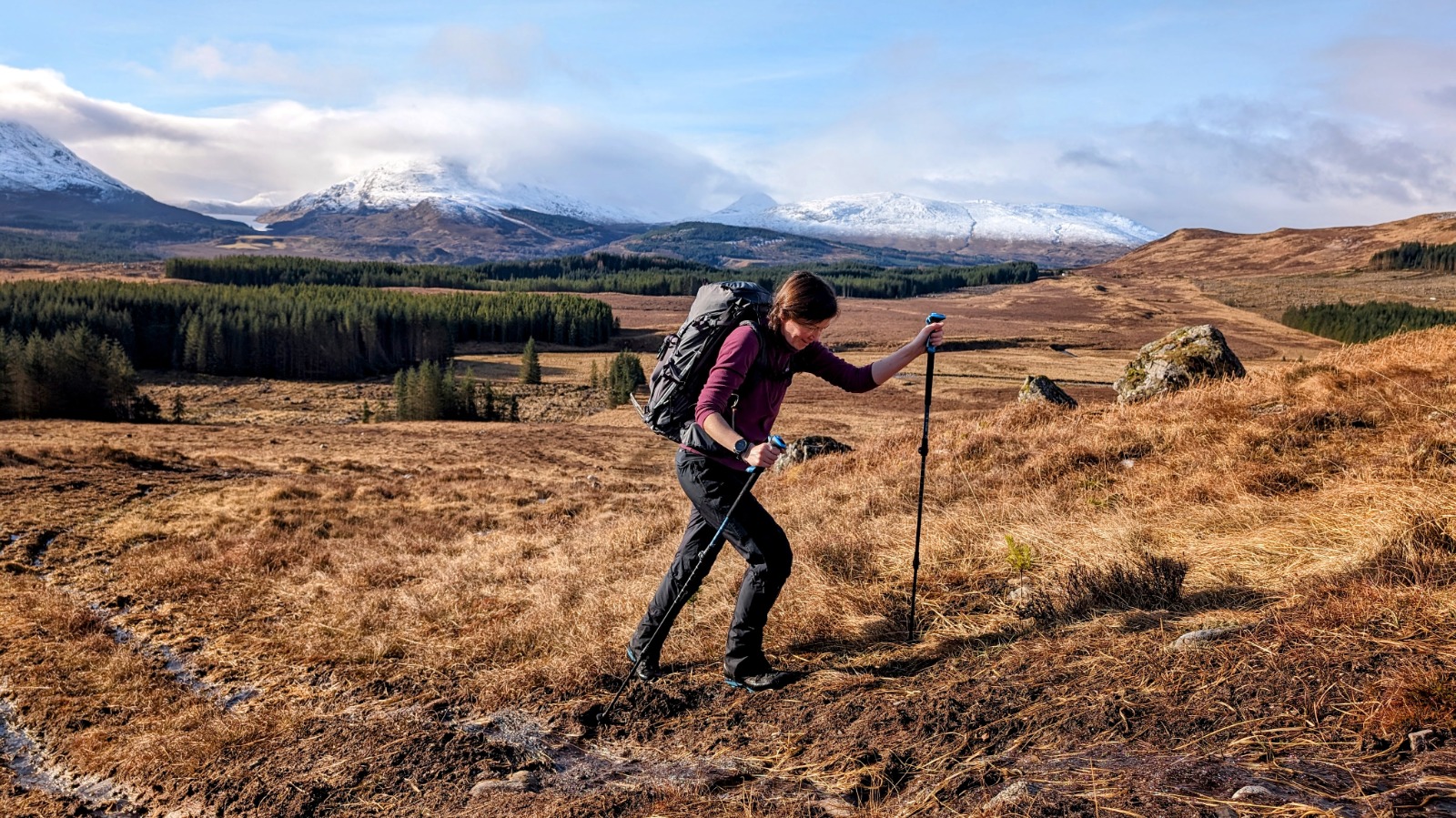
Walking poles have become an essential part of my hiking gear. I have to admit, I’ve come a long way since an early aversion to them. Years ago, I was convinced that using poles was a sign of weakness. I’m not sure where that idea came from, but it’s one I’m very glad I’ve left behind.
In the past, I would have been self-conscious about taking my poles out on a hike. I feared that I’d be one of the few hikers using them. I’ve gotten past that concern. Other hikers don’t have my knees, and I know what works for my body. My knees are a weakness I have from my younger years playing high-impact sports. I’d rather protect them and be able to continue enjoying the mountains for years to come. Longevity is one of my main priorities when it comes to living an outdoor lifestyle.

These days, I rely on walking poles every time I’m out on the trail. They’re especially useful on descents, but they can make a big difference on ascents as well, depending on the terrain.
When it comes to winter hiking, I find poles are even more crucial. The added weight of a winter pack, combined with stiff B2 boots and often challenging conditions like deep snow or icy paths, can really take a toll. Poles help manage the load, improve stability, and reduce strain on my knees, making those longer, tougher winter hikes much more manageable.
Carrying an ice axe and crampons is also essential for winter hiking on mountainous terrain. Walking poles are not a replacement for these.

If you’ve been hesitant to try walking poles, I’d encourage you to reconsider. They offer real benefits for reducing strain on your joints, especially on steep or challenging terrain. Whether you’re ascending or descending, poles can help distribute the load and make your hike more comfortable. They’re not a crutch, they’re a smart way to protect your body and keep you moving efficiently.
How to Use Walking Poles: A Quick Guide
Using walking poles effectively can greatly enhance your hiking experience. Here are some tips based on my experience.
Adjusting Pole Length
Set your poles so your elbows form a 90° angle when holding the grips. The tips of the poles should rest near your feet and your forearms should be parallel to the ground. This is ideal for flat terrains. For uphill sections, shorten the poles by 5-10 cm to provide better leverage. For downhill sections, lengthen them by 5-10 cm to maintain balance and reduce impact on your knees.


Using the Wrist Straps
Wrist straps can relieve grip stress and provide better control. To use them efficiently, slide your hand up through the strap from the bottom, then grasp the handle. This technique supports your wrist and allows for a relaxed grip.


Using wrist straps is not advised in all circumstances. Try not to use wrist straps when covering any terrain where you might need to release your walking poles quickly. Examples include river crossings and steep or unstable descents. This helps if you need your hands for balance. It also allows for a quicker release of the poles in case of a fall.
Taking your hands in and out of wrist straps will be a conscious process initially. Over time though, it will become something you do automatically.
Testing Depth and Stability
Poles are handy tools for assessing terrain conditions. Before crossing a river, bog or snow bridge, use your poles to gauge depth and stability. This practice helps in making informed decisions about foot placement.
Your Take on Using Walking Poles

Do you use walking poles? Has this article tempted you to give them a go? Share your thoughts or experience below.
Related reading:
My Wild Camping Gear: The Equipment I Trust for Solo Trips


Leave a Reply